
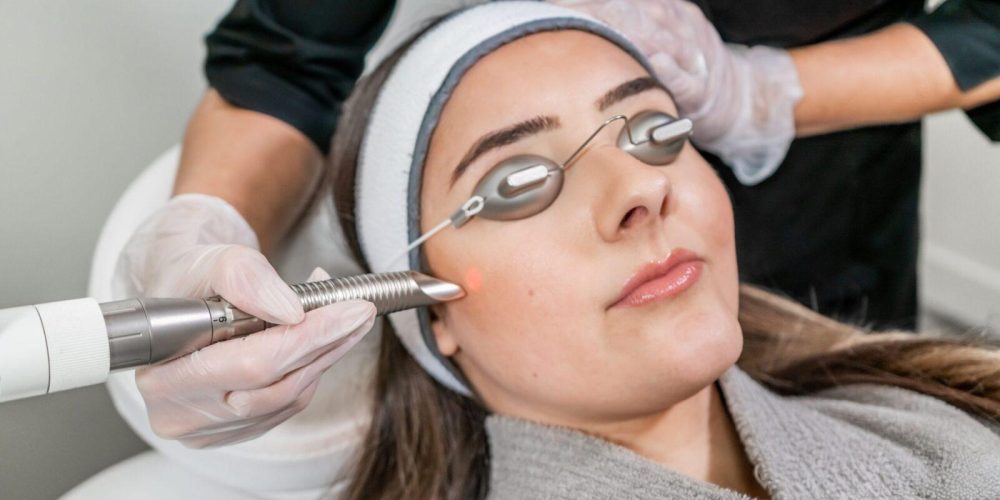
Brown spots and uneven color can have different causes, so a photofacial consultation should begin with an assessment of your skin. BBL is one name you may encounter while researching light-based treatments. Understanding what it means helps you compare options without relying on promises of spot-free skin after a fixed number of visits.
Is BBL Different from IPL?
BBL stands for BroadBand Light and is Sciton’s branded form of intense pulsed light technology. It belongs to the IPL category; it is not a separate treatment category that can fairly be described as universally gentler, cheaper, or more effective than “IPL.” Sciton’s patient guide explains that BBL uses pulsed light rather than a traditional laser.
Devices and settings vary, so ask which system would actually be used and why it suits your concern. Our IPL treatment page provides Luxura service information. Confirm the available device during your consultation rather than assuming a particular BBL model is offered.
What Can a Photofacial Address?
IPL uses selected wavelengths of light to target features such as pigment and visible vessels. It may be considered for certain sun-related brown spots or redness. Unlike an ablative resurfacing treatment, it does not work by removing the outer skin layer. DermNet describes IPL’s uses and limitations.
Indented acne scars, skin laxity, and melasma require their own assessment. Do not assume every brown mark is a sunspot or that one light treatment can address every concern. Have a new, changing, bleeding, or otherwise suspicious spot medically evaluated before cosmetic treatment.
Who Needs a More Careful Assessment?
Your skin tone, recent tanning, medical history, medications, and previous reactions affect treatment planning. Pigment changes and burns are possible, and treating darker or recently tanned skin requires particular consideration. Share your history of melasma and any prior light or laser procedures.
A consultation should leave you understanding why a device is suitable, whether a test spot is advised, and what alternatives may be more appropriate. Choosing no treatment is also a reasonable option.
Results, Discomfort, and Recovery
A photofacial can feel hot or like brief snapping sensations. Redness, swelling, and temporary darkening of treated pigment can occur. Blistering, burns, and changes in pigmentation are possible complications. Low downtime should not be presented as no risk or a guarantee of a painless experience.
The number of sessions depends on the diagnosis, treatment area, settings, response, and goals. Claims such as “BBL takes one to three sessions while IPL needs twelve” are not a sound way to compare individual treatment plans.
Plan for Aftercare and Longer-Term Skin Health
Ask for written guidance on sun exposure, skincare products, makeup, and when to call about a reaction. Do not pick at treated areas. Discuss how ongoing sun protection and an appropriate skincare routine fit into maintaining your skin after treatment.
- What is causing the discoloration?
- Which device and treatment area are proposed?
- What improvement and recovery are realistic for my skin?
- What is the estimated total cost, including follow-up?
Contact Luxura Med Spa to discuss whether a photofacial fits your skin concerns.